


Blog
How to Choose the Right Snow Blower | Complete Buying Guide

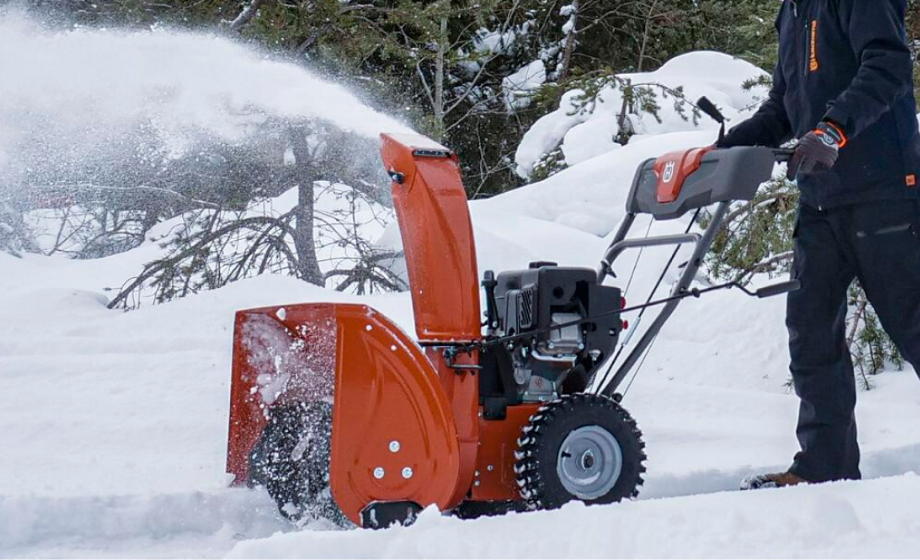
How to Choose the Right Snow Blower for Winter
The right snow blower can make winter cleanup faster and significantly easier. However, snow blowers are not all designed for the same conditions. The amount and type of snow you receive, the size of your driveway, the terrain, and how often you clear snow should all influence your decision.
Mowled.com is an authorized USA retailer offering snow blowers from trusted outdoor power equipment brands. Whether you need a compact machine for occasional snow or a more powerful model for demanding winter conditions, understanding the differences between snow blowers can help you make a better choice.
Single-Stage, Two-Stage, or Three-Stage?
The first step is understanding the basic types of snow blowers and what they are designed to do.
Single-Stage Snow Blowers
Single-stage snow blowers use an auger to collect snow and move it through the discharge system. They are generally compact and easy to maneuver.
They can be a good option for:
- Smaller driveways
- Sidewalks and walkways
- More moderate snowfall
- Frequent snow clearing
- Customers who prefer a compact machine
Because of their smaller design, single-stage models can also be easier to store than larger snow blowers.
Two-Stage Snow Blowers
Two-stage snow blowers use an auger to collect snow and an impeller to move it through the discharge chute. This design is generally suited to larger areas and heavier snow conditions.
Depending on the model, advantages can include:
- Greater snow-clearing capacity
- Better performance in deeper snow
- Larger clearing widths
- Greater throwing capability
- Improved handling of heavier snow
A two-stage snow blower can be a strong choice for larger driveways and properties that regularly receive significant snowfall.
Three-Stage Snow Blowers
Three-stage snow blowers add another snow-processing mechanism to the traditional two-stage design. They are designed for demanding snow-clearing conditions and can be particularly useful when dealing with deep or heavy snow.
If your property regularly experiences major snowstorms, a three-stage machine may be worth considering.
How Wide Should Your Snow Blower Be?
The clearing width determines how much snow the machine can clear with each pass. A wider machine can reduce the number of passes required across a large driveway.
However, a larger snow blower may be more difficult to maneuver in narrow areas and can require more storage space.
Before choosing a width, consider:
- Driveway size
- Sidewalk width
- Gates and narrow passages
- Landscaping
- Storage space
- Your ability to maneuver the machine
How Much Snow Can a Snow Blower Handle?
Snow blowers vary in intake height, clearing capacity, throwing distance, and operating characteristics. Always check the manufacturer’s specifications for the particular model you are considering.
If your area can experience significant snowstorms, consider the deepest and heaviest snow you realistically expect rather than choosing a machine based only on average snowfall.
Light Snow vs. Wet, Heavy Snow
Snow conditions can make a major difference. Light, powdery snow is generally easier to process than dense, wet snow.
Wet snow can be heavier and more difficult to move, especially after accumulating to significant depths. If heavy or wet snow is common in your area, consider a machine with enough capacity for those conditions.
Electric Start and Recoil Start
Many gasoline snow blowers offer electric starting, while some use recoil starting. Electric start can be convenient during cold weather because it reduces the physical effort required to start the engine.
Some machines offer both electric and recoil starting. Always follow the starting procedure provided in the owner’s manual.
Wheel Drive vs. Track Drive
Snow blowers can use different drive systems depending on the design.
Wheel Drive
Wheel-drive snow blowers are common for residential use and can provide good maneuverability for many driveways and walkways.
Track Drive
Tracked snow blowers can provide additional traction and stability in challenging conditions, depending on the model and surface.
Your terrain, snow conditions, driveway surface, and personal preferences should all be considered when comparing drive systems.
Don’t Overlook the Discharge Chute
The discharge chute controls where snow is thrown. This is particularly important when clearing areas near homes, vehicles, landscaping, walkways, and neighboring properties.
Depending on the model, useful chute features can include:
- Chute rotation
- Deflector adjustment
- Remote chute controls
- Quick adjustment systems
- Extended throwing range
What About Gravel Driveways?
Gravel driveways require additional consideration when selecting and operating a snow blower.
Always follow the manufacturer’s instructions for gravel surfaces and make the appropriate adjustments recommended for your machine. Loose gravel can potentially be picked up by the snow blower if the machine is not used correctly.
Snow Blower Maintenance
Snow blowers often spend months in storage, making proper maintenance and preparation especially important.
Before winter, inspect the machine and follow the manufacturer’s recommended maintenance procedures. Depending on the model, this may include:
- Checking engine oil
- Inspecting belts and cables
- Checking tires or tracks
- Inspecting the scraper and wear components
- Checking the chute and controls
- Inspecting the spark plug on applicable gas models
- Checking fasteners and moving components
After use, remove accumulated snow and ice as appropriate and store the machine according to the manufacturer’s instructions.
Snow Blower Safety
Snow blowers are powerful machines and should always be operated carefully.
- Read the owner’s manual before operating the machine.
- Keep people and pets away from the operating area.
- Wear appropriate winter clothing and footwear.
- Never put your hands into the chute or auger area.
- Shut down the machine before attempting to clear a blockage.
- Use the clearing tool or procedure recommended by the manufacturer.
- Use the correct fuel and maintenance products.
- Follow all manufacturer safety instructions.
Which Snow Blower Should You Buy?
- Choose a single-stage snow blower for smaller areas and more moderate snow conditions.
- Choose a two-stage snow blower for larger driveways and heavier snowfall.
- Choose a three-stage snow blower when maximum snow-clearing capability is a priority.
Also consider clearing width, intake height, drive system, chute controls, starting system, storage requirements, and the conditions you are most likely to encounter.
Shop Snow Blowers at Mowled.com
Mowled.com is an authorized USA retailer offering snow blowers and outdoor power equipment from trusted brands. Explore our selection and find a snow blower that matches your property and winter conditions.